

Handmade Hope
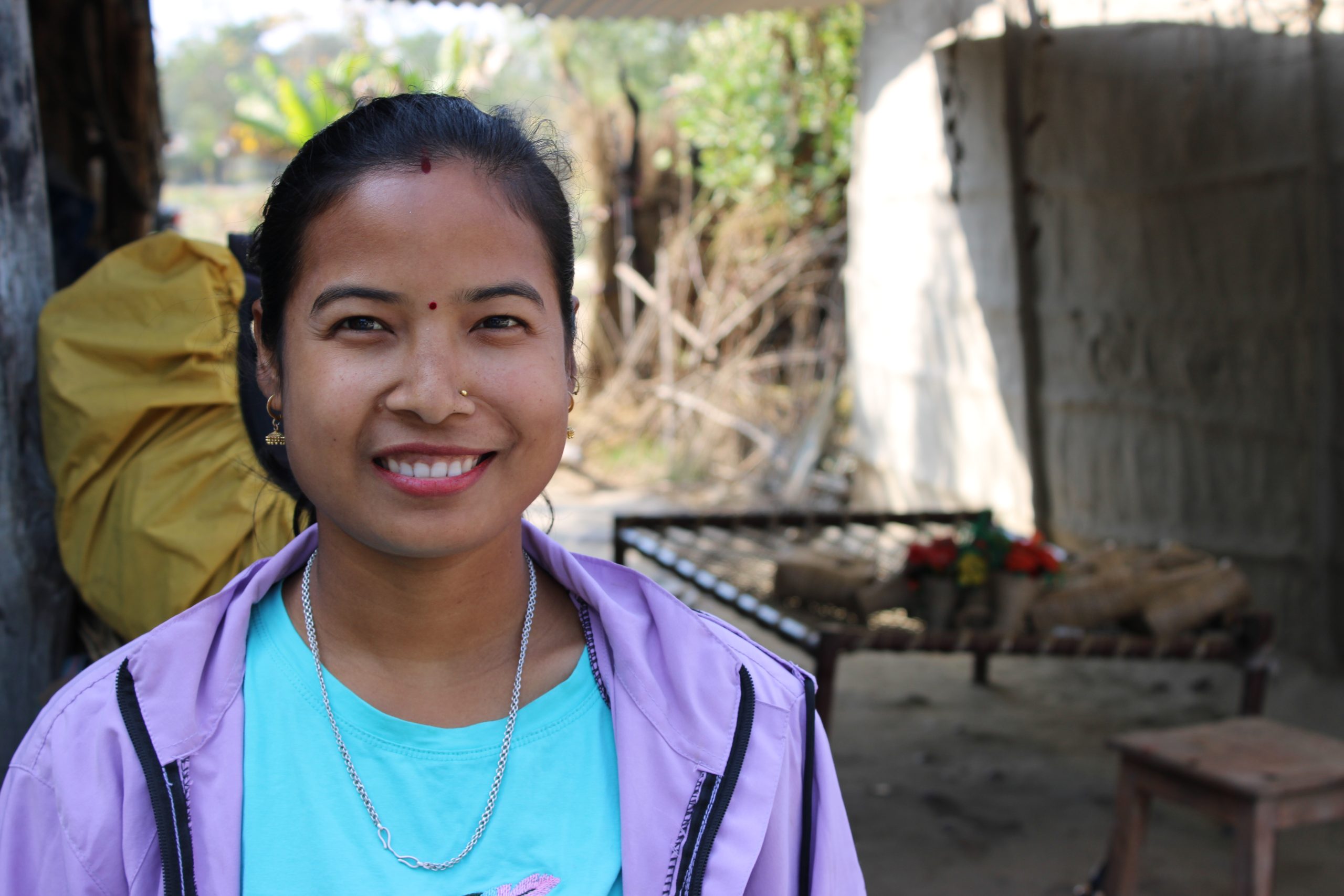
For years, Nilan was part of a group called Kamaiya. Not a group that she chose to be part of. Not the kind of group that she wanted to be part of. Not the kind of group that ANY person should be part of…. bonded agricultural labour.
Fortunately for her, and many others in Nepal, the practice of Kamaiya was outlawed in 2000. However, the scar of those Kamaiya years run deep. In a country that adheres to class structures, Nilan will always be identified as Kamaiya. Debts of Kamaiya regularly followed generations, and even now, social and cultural practices don’t align with the law. Many ex-Kamaiya remain landless and have no means of supporting themselves. Compounding this, many women also experience gender-based violence and discrimination. Men are seen as the decision makers in a family.
Country
Nepal
Who you support
Nilan, mother and community leader
Occupation
Bag weaver and farmer
Now Nilan is part of two other groups. This time, they are groups of her choosing.
The first is the ‘Laliguras Female Farmer Group’ with 30 female farmers. She has much in common with these group members as many are also ex-Kamaiya, just like Nilan. In this group, the women were supported by you through ALWS, to learn farming techniques and were provided with tools and seeds to get growing. Together they rent land to farm.
They grow cucumbers and mushrooms. Growing food, growing incomes. Food for feeding families, income for nurturing families – education, medicine, clothing, housing.
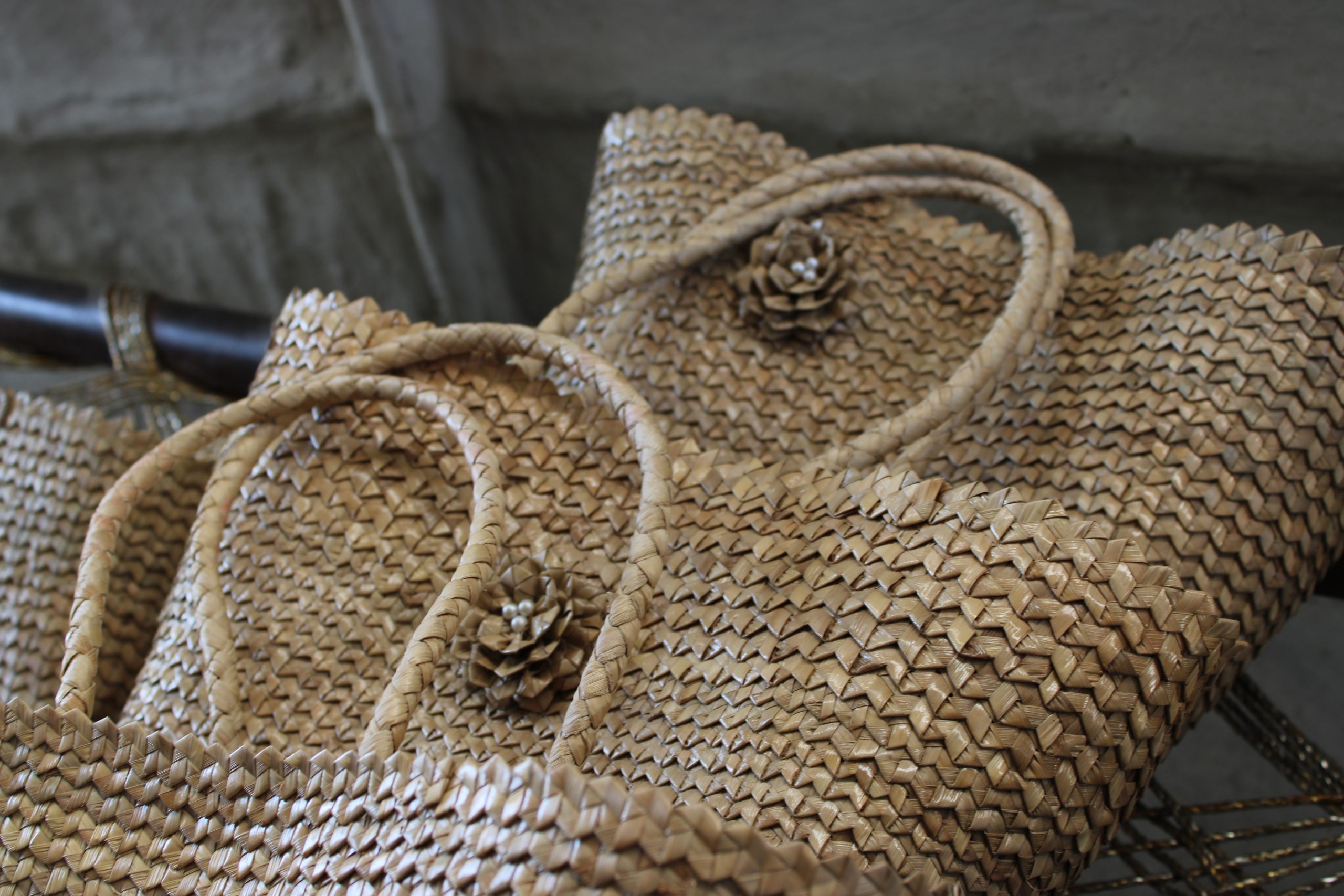
The second group is a ‘self-seeded’ offshoot. Ten of the farming women who chose to establish a co-operative business. They were taught by one woman to weave handicrafts from banana fibre, maize and thaka to sell at markets. Orders come from the community, and they often sell at local community events. Sometimes they give the products as souvenirs.
Nilan is the leader and organiser of this group. When orders are received, Nilan divides the work between each member and gives them the timeframe for completion. They work in their own homes and then bring the items together for sale.
Nilan says “our hope is that we continue to develop our skills through further trainings. We want to explore more designs. We would also like a place where we can collectively store and sell our products from.
I have now trained 10 others; I have grown my network and want to explore more. I have plans to expand this business.
Nilan speaks about the impact of these groups. She says “I can pay for school fees, I don’t have to ask my husband for money when I need it. I am independent and can manage finances by myself.”